
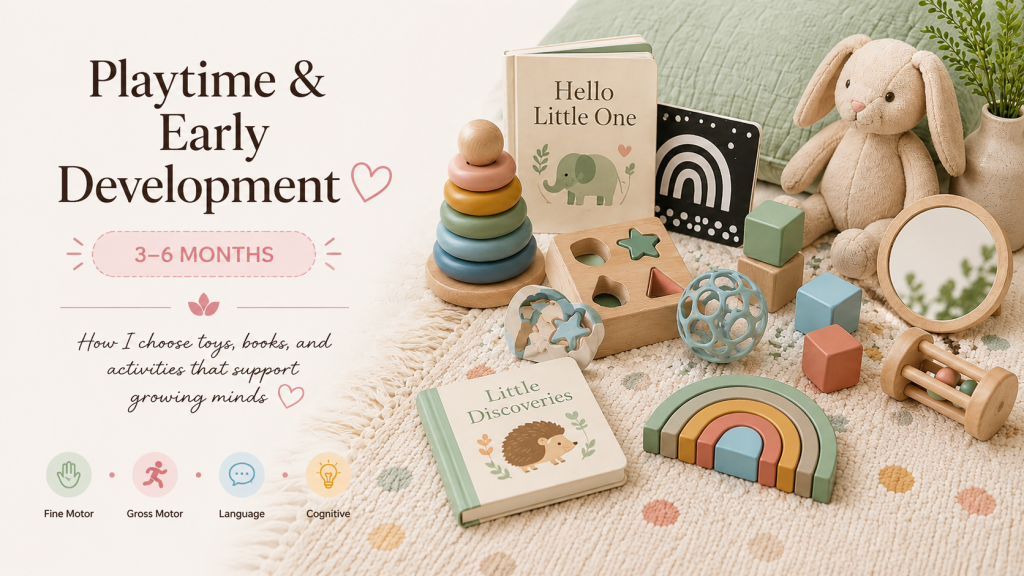
Playtime & Early Development ♡
Around three months, I felt like something quietly changed in my baby. She was no longer only sleeping, feeding, and staying close to me. Suddenly, she was watching our faces with more intention, following sounds, chewing her hands, smiling back, trying to lift her head, and becoming curious about the little things around her.
This stage felt very different from the newborn days. The fourth trimester slowly started to feel behind us, and playtime began to feel more meaningful. I realised that development is not about teaching babies in a formal way — it is about giving them safe, simple opportunities to look, reach, listen, feel, move, and connect.
Gross Motor Development ♡
This is the stage when head control, tummy time, rolling practice, reaching, and pushing up start to become more visible. Some days my baby seemed so determined to lift her head, and other days she got tired quickly. I had to remind myself that even a few minutes of effort was still progress.
I also realised that babies need safe floor time more than complicated equipment. A soft mat, tummy time support, mirror, or simple toy in front of them can encourage them to lift, turn, reach, and slowly build strength at their own pace.
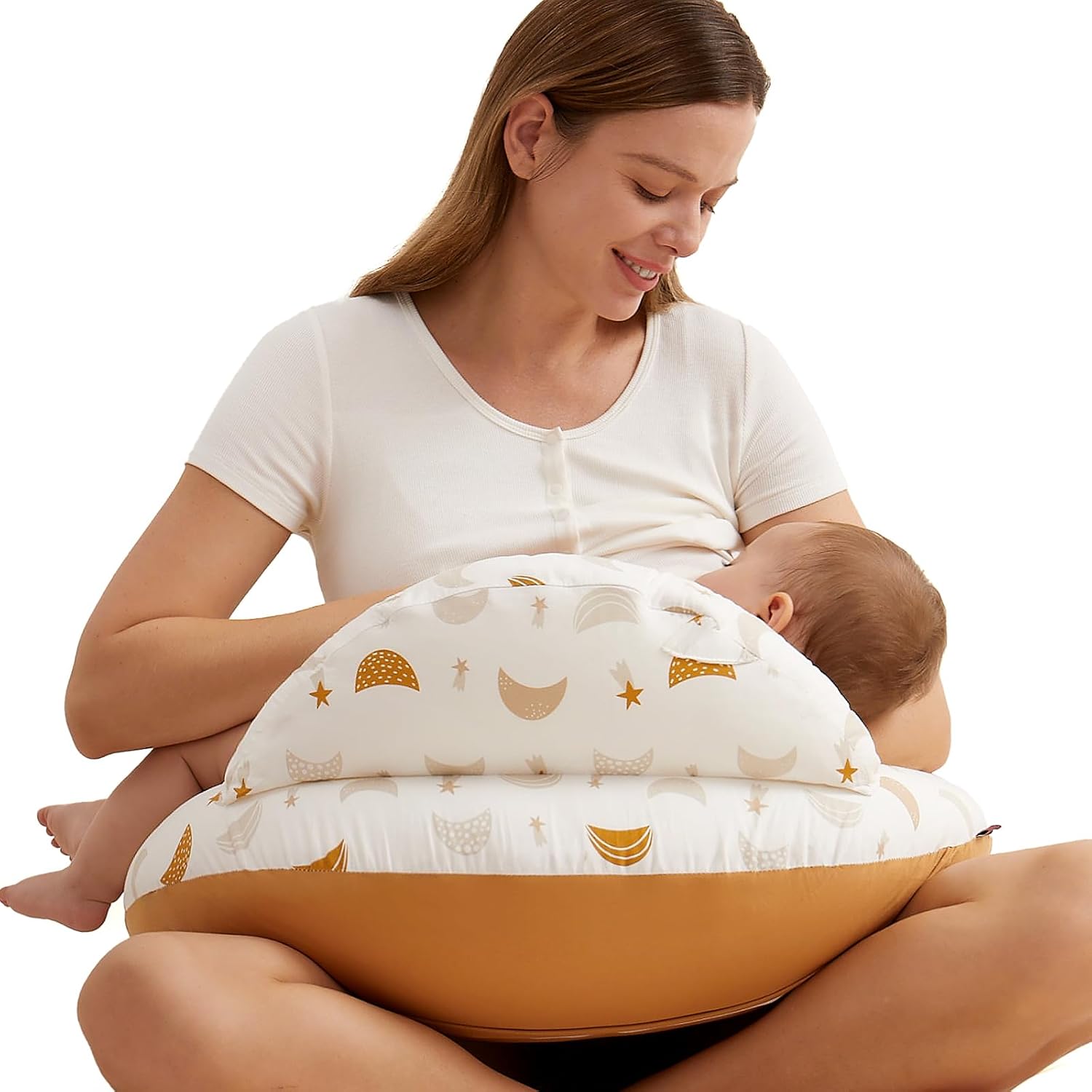
Nursing Pillow or Tummy Time Pillow
Tummy time was not always easy for us in the beginning. Some days my baby enjoyed lifting her head and looking around, and other days she became fussy very quickly. I realised that having a little support under her chest often made those first few minutes feel more comfortable.
One thing I wish I knew sooner is that you do not necessarily need to buy a separate tummy time pillow. If you already have a nursing pillow at home, you can often reuse it for tummy time support. That is exactly what we did.
If you do not already own a nursing pillow, a dedicated tummy time pillow can be helpful. But before buying another baby product, I would first see whether something you already have can do the job just as well.
VIEW NURSING PILLOW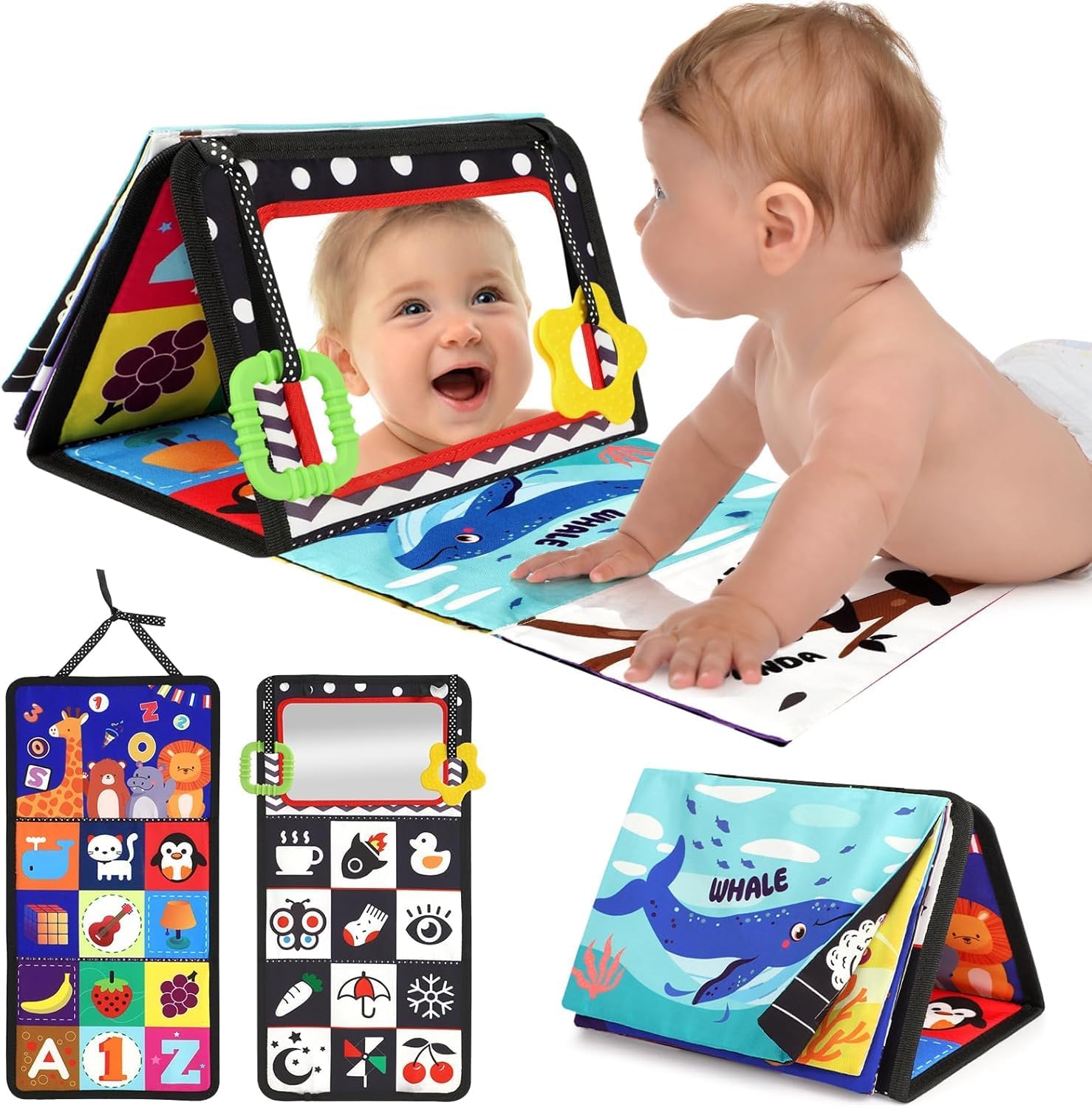
Tummy Time Mirror
My baby became much more interested when there was something to look at. A mirror can make tummy time feel more engaging because babies love watching faces — even their own little reflection.
What surprised me is that we ended up using our mirror for more than just tummy time. During baby massage sessions, I would place the mirror nearby and it helped keep my baby engaged while I talked, sang, and massaged her.
I love products that can be used in more than one way, and a simple baby-safe mirror is one of those items that can support both playtime and bonding moments throughout the day.
VIEW TUMMY TIME MIRROR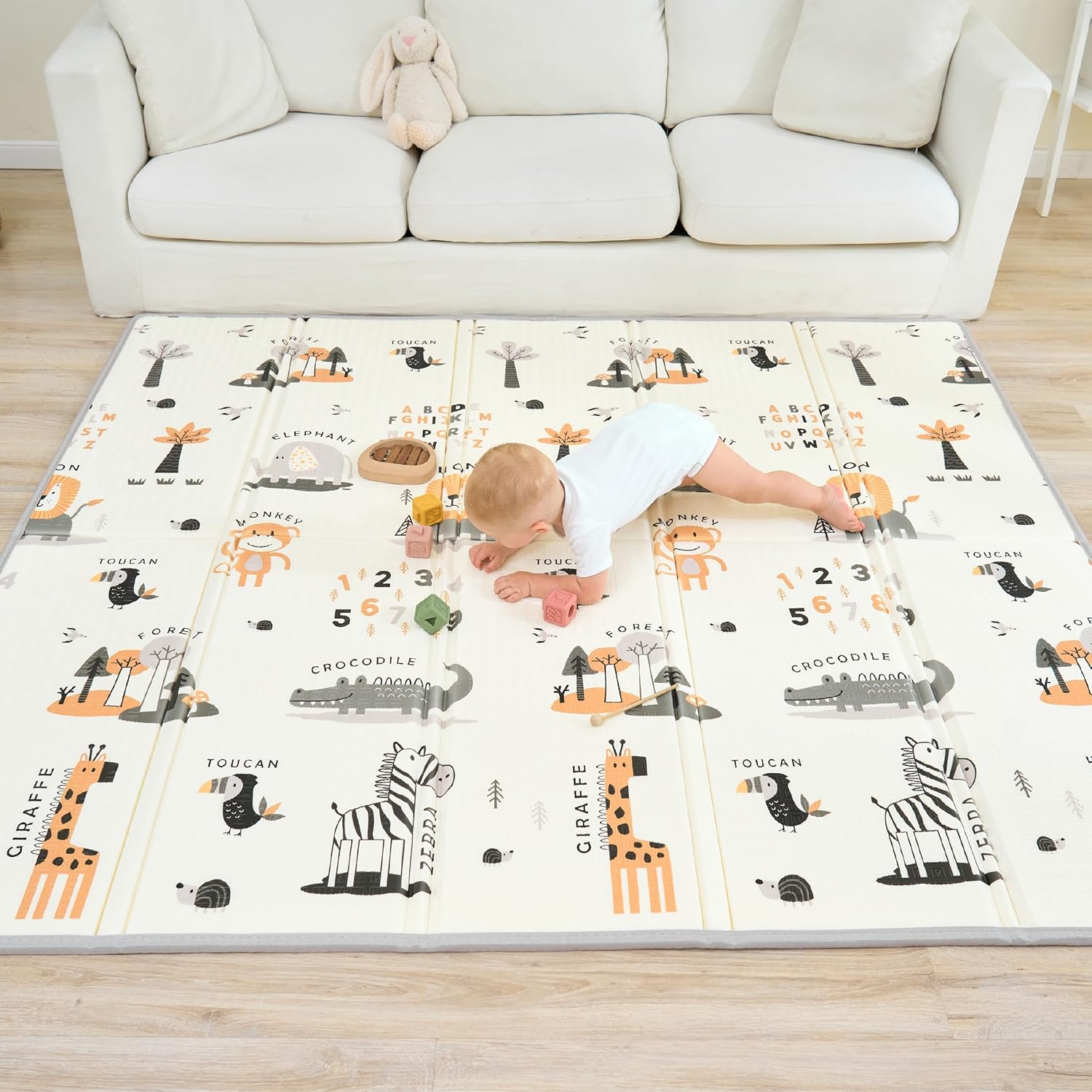
Play Mat or Activity Gym
A soft play mat became more useful once my baby started spending more time on the floor. It gave her a safe space to stretch, kick, look around, practice tummy time, and slowly prepare for rolling.
I would keep this simple. My baby did not need a very complicated setup — just a comfortable space where I could sit beside her, talk to her, and let her explore at her own pace.
It’s a waterproof flexible activity mat, it can be foldable and reversible, large format, which is easy to transport thanks to its cover and its easy foldability.
VIEW PLAY MATContinue Your Baby Essentials Journey
High chair essentials, bibs, bowls, cups, and feeding tools for the 6–12 month stage.
Thoughtful books and toys to support toddler development, movement, and early learning.
Practical baby gear and travel products that make outings and family trips easier.
Visual Development ♡
Around this age, I noticed my baby looking at everything with such intent eyes. She would follow our faces, watch movement, stare at toys, and study expressions. It felt like she was suddenly taking in the whole world.
This is why I started appreciating simple visual toys — mirrors, high contrast books, hanging toys, and anything that moves gently when touched. These little things can help babies practise tracking, focusing, and connecting what they see with what their hands are trying to do.
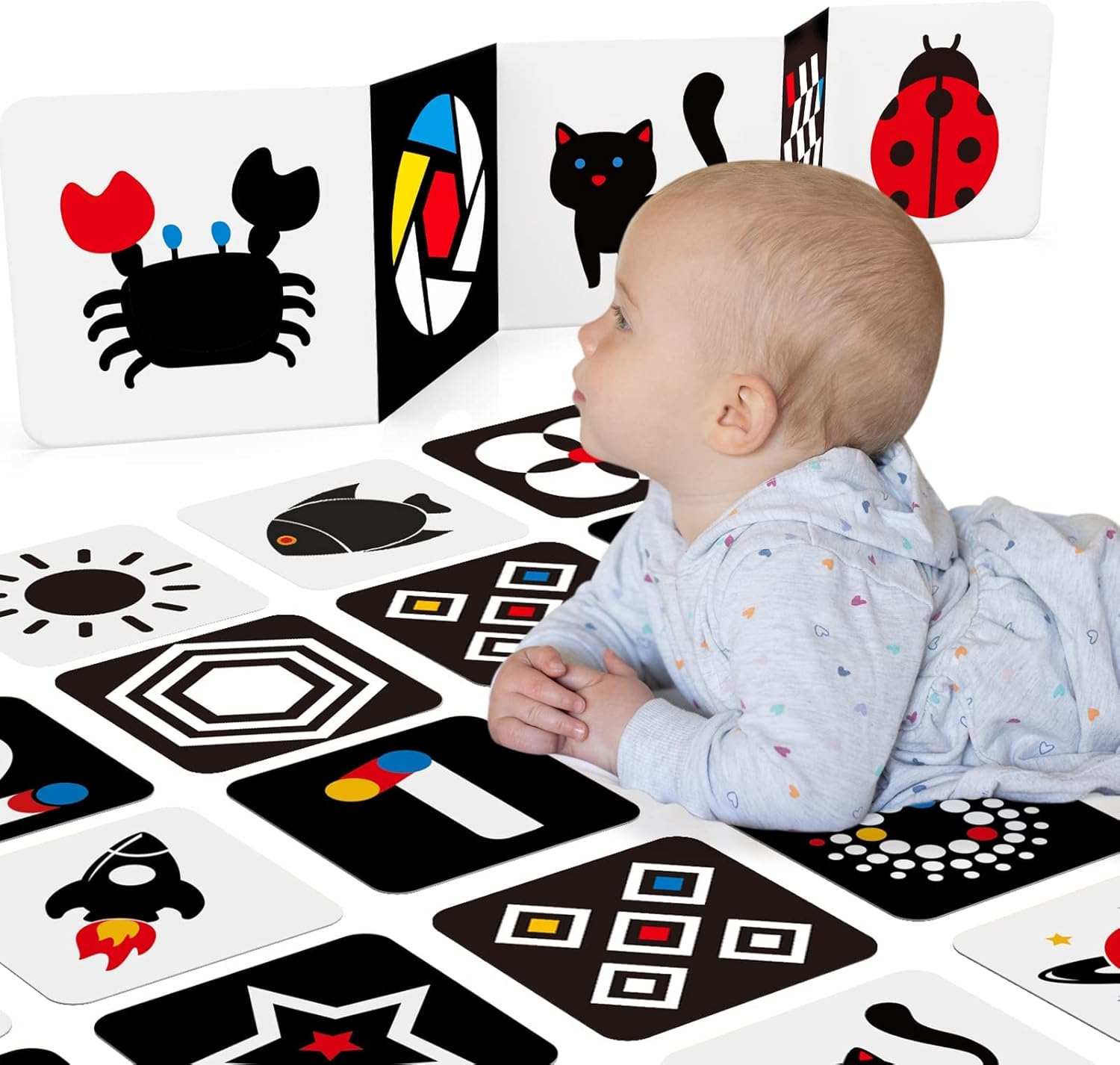
High Contrast Cards
High contrast cards are simple but useful during this stage. They give babies something clear to look at, especially when they are practising focusing and slowly following objects with their eyes.
VIEW HIGH CONTRAST CARDS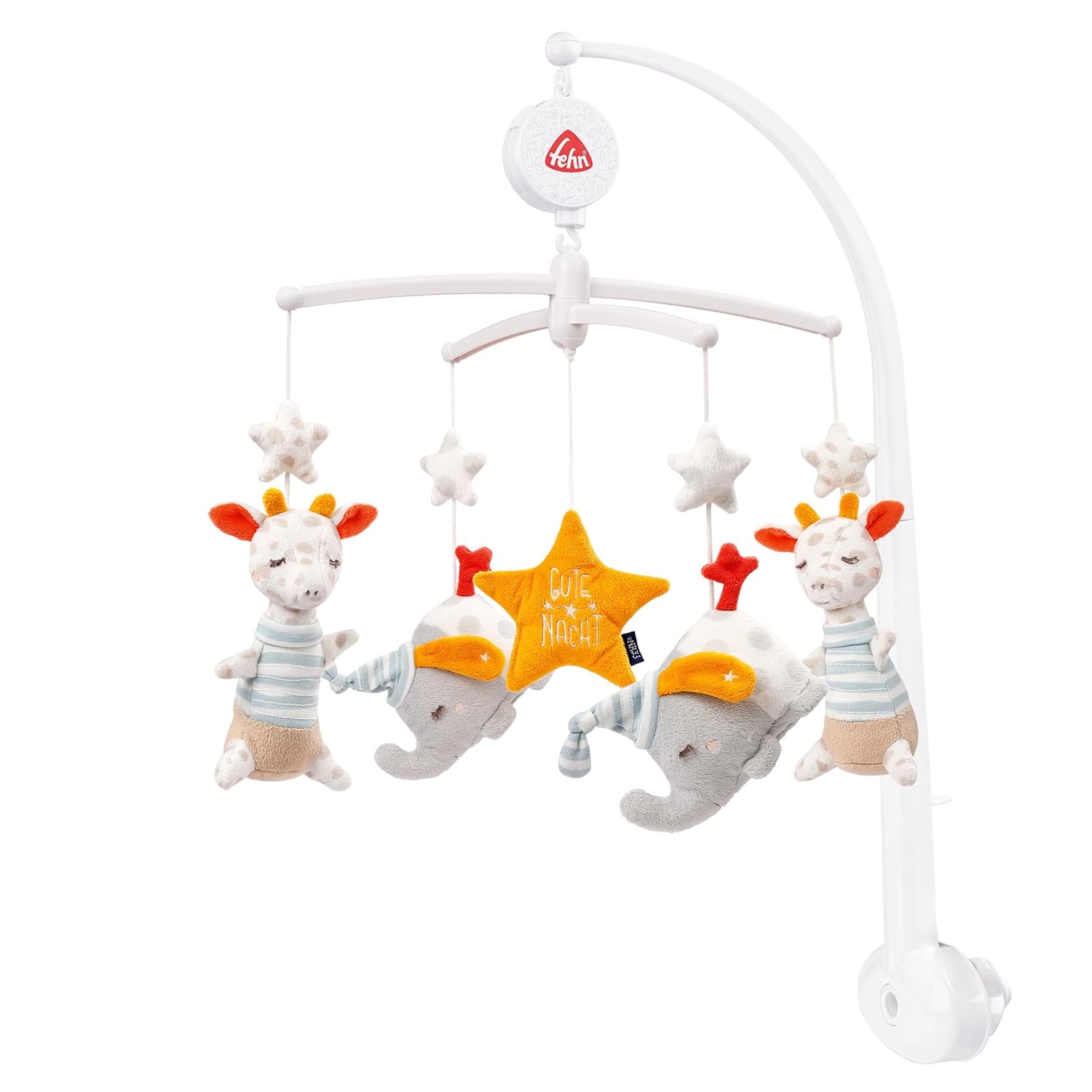
Hanging Toy
A hanging toy can encourage babies to look, reach, swipe, and slowly connect their eyes with their hands. I like this mobile plush toy that moves gently without being too loud or overstimulating. My baby enjoys watching the toy move around.
VIEW HANGING TOY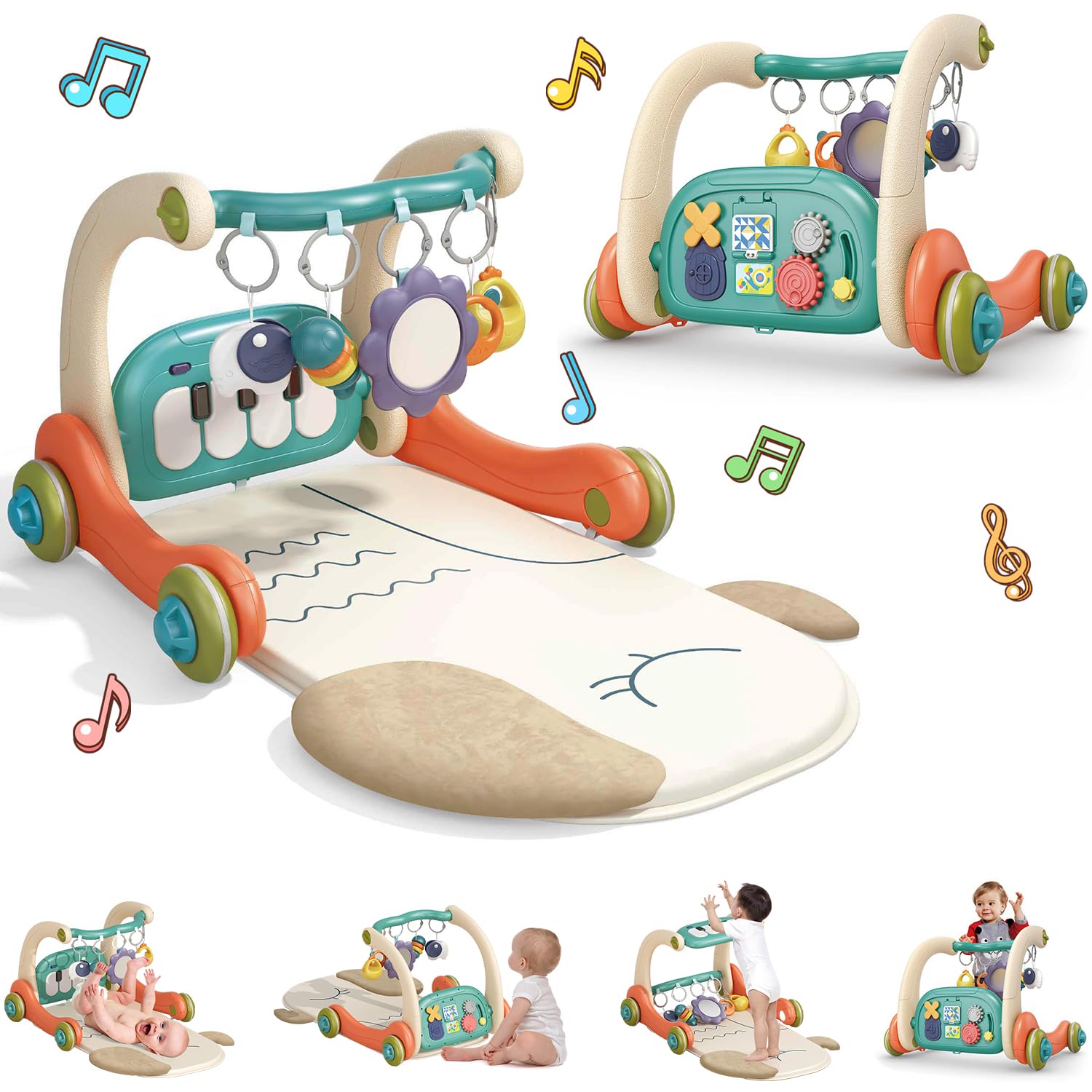
Kick & Play Piano
At this age, babies begin to understand that their little movements can make something happen. A kick and play piano can support kicking, looking, listening, cause and effect, and early body awareness.
VIEW KICK-AND-PLAY PIANOSensory Development ♡
This was also the stage when everything started going toward the mouth. Hands, toys, cloth, anything she could reach. At first I kept wondering if she was hungry again, but then I realised this was also how babies explore textures, comfort themselves, and discover their body. Soft sensory toys, teethers, textured books, and easy-to-hold toys can be very helpful here. I would keep things simple and safe rather than buying too many toys at once.
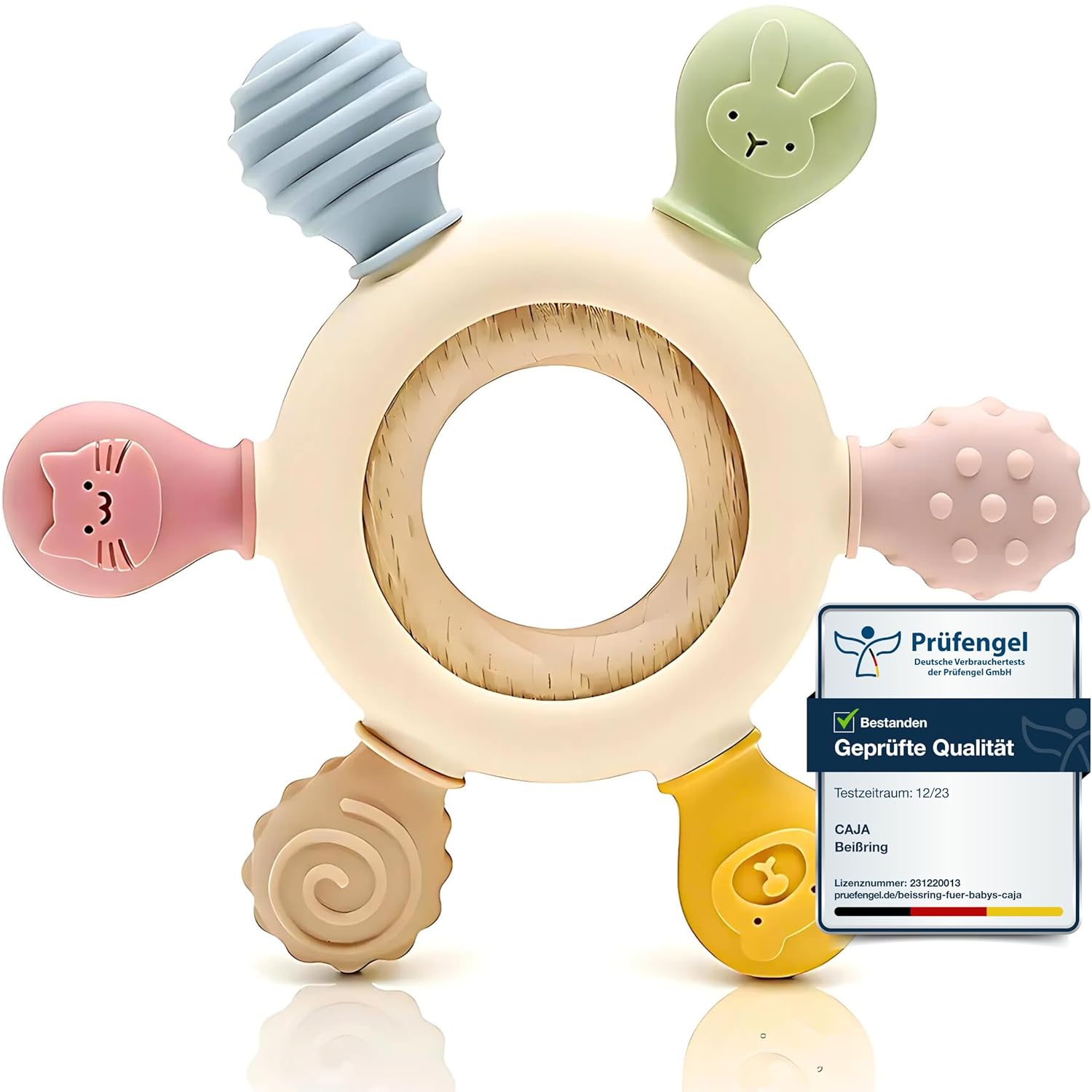
Baby Teething Toy
When my baby started chewing her hands a lot, I realised she needed something safe and easy to hold. A soft teether gives babies something better to chew on while they explore with their mouth.
VIEW TEETHING TOY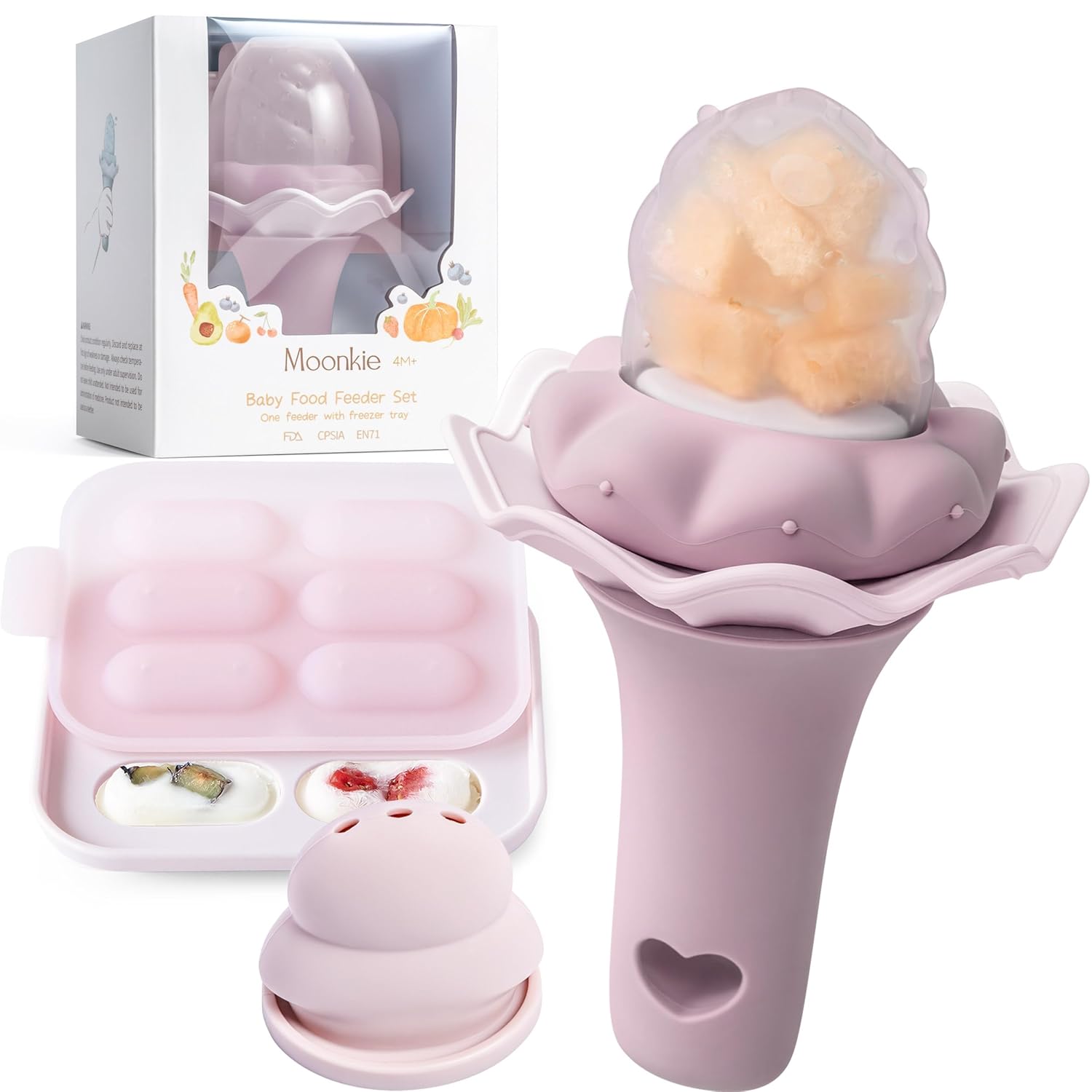
Moonkie Fruit Feeder
This is the kind of product I would place in the teething and sensory stage rather than the solids section. It can help babies explore taste and texture gently while also working as a soothing teething aid.
VIEW FRUIT FEEDERLanguage & Early Books ♡
At this age, the little coos, sounds, and early babbling can feel so sweet. Sometimes my baby would make a sound, pause, and look at me as if she was waiting for a reply. I started treating those sounds like tiny conversations.
Reading aloud, talking during diaper changes, singing during massage, and simply responding to her sounds became part of our everyday rhythm. I used to think books were something babies would only enjoy much later, but I quickly realised that reading at this age looks very different. Babies are not necessarily listening to the story yet — they are exploring, touching, grabbing, chewing, and looking.
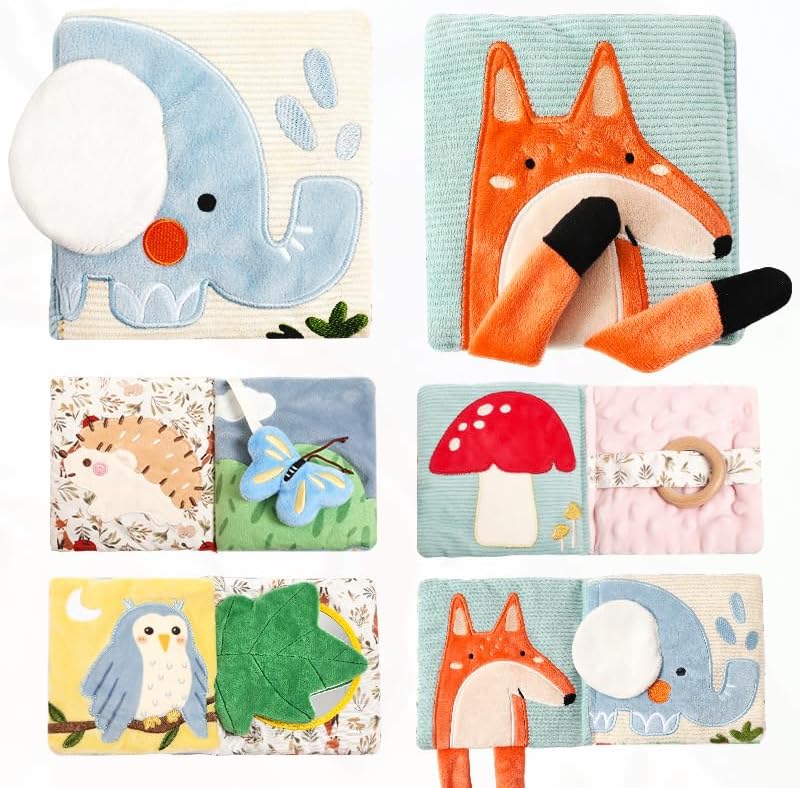
Sensory Crinkle Book with Mirror & Teether
That is why I love sensory books like this. Instead of being just a book, it combines so many things babies naturally enjoy at this stage — soft fabric pages, crinkle sounds, different textures, a baby-safe mirror, and even a wooden teether.
My baby loves staring at faces and reflections, so toys that include a mirror tend to keep her engaged for longer. The crinkle pages add another layer of sensory exploration, while the teether gives little hands and mouths something safe to explore.
What I especially like is that one simple product supports several areas of development at once — visual exploration, sensory play, early language exposure, and fine motor skills. Instead of buying multiple separate toys, this feels like a thoughtful all-in-one option for the 3–6 month stage.
VIEW SENSORY BOOKFine Motor & Grabbing Practice ♡
This was the age when I noticed my baby trying to hold things more intentionally. Sometimes she would grab something for a second and then drop it immediately, but even that felt like such a big milestone.
Lightweight, easy-to-hold toys can encourage reaching, grasping, shaking, passing between hands, and slowly understanding cause and effect.
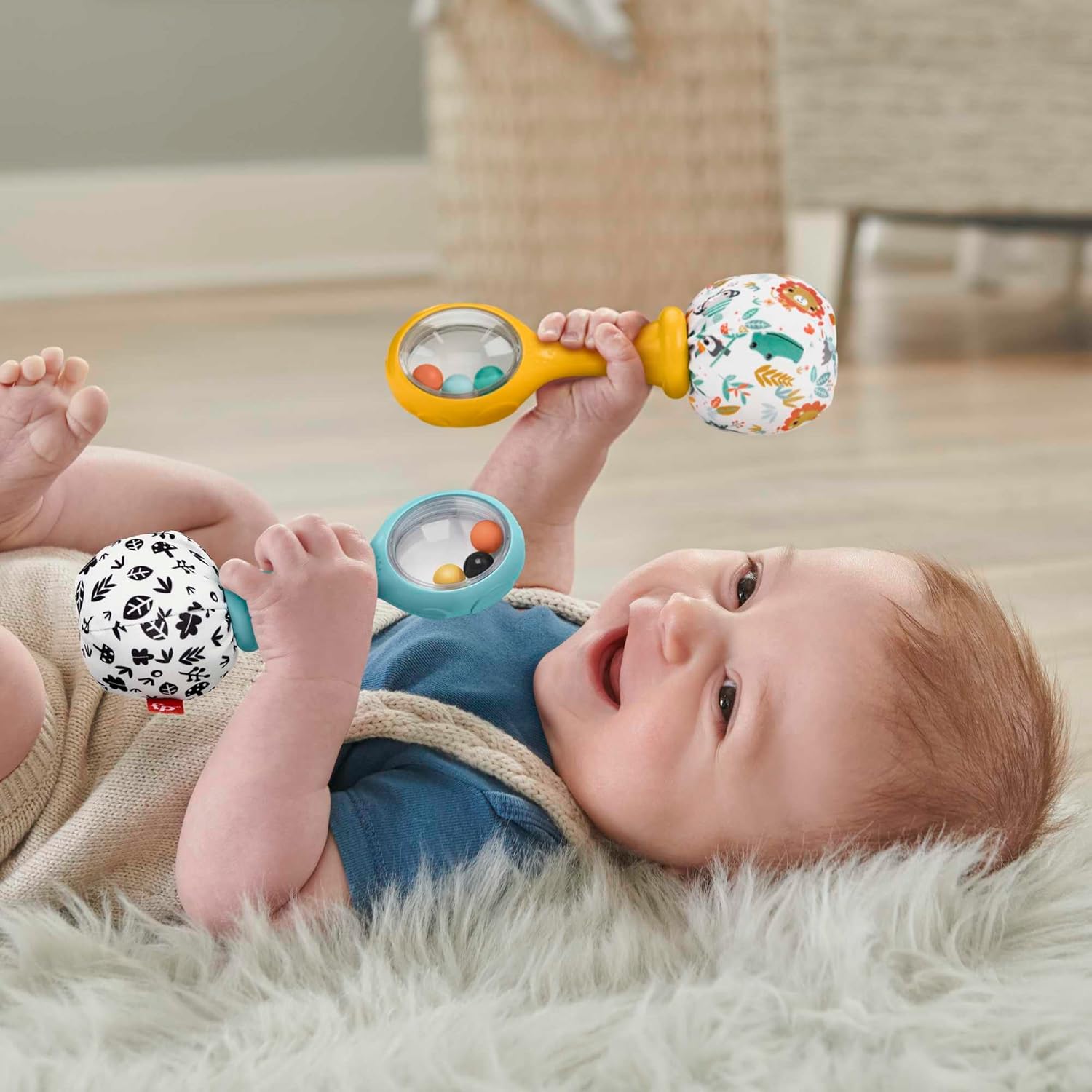
Easy-Grip Rattle
A lightweight rattle is one of those simple toys that can support so much — reaching, holding, shaking, listening, and discovering that their little hands can make something happen.
VIEW RATTLE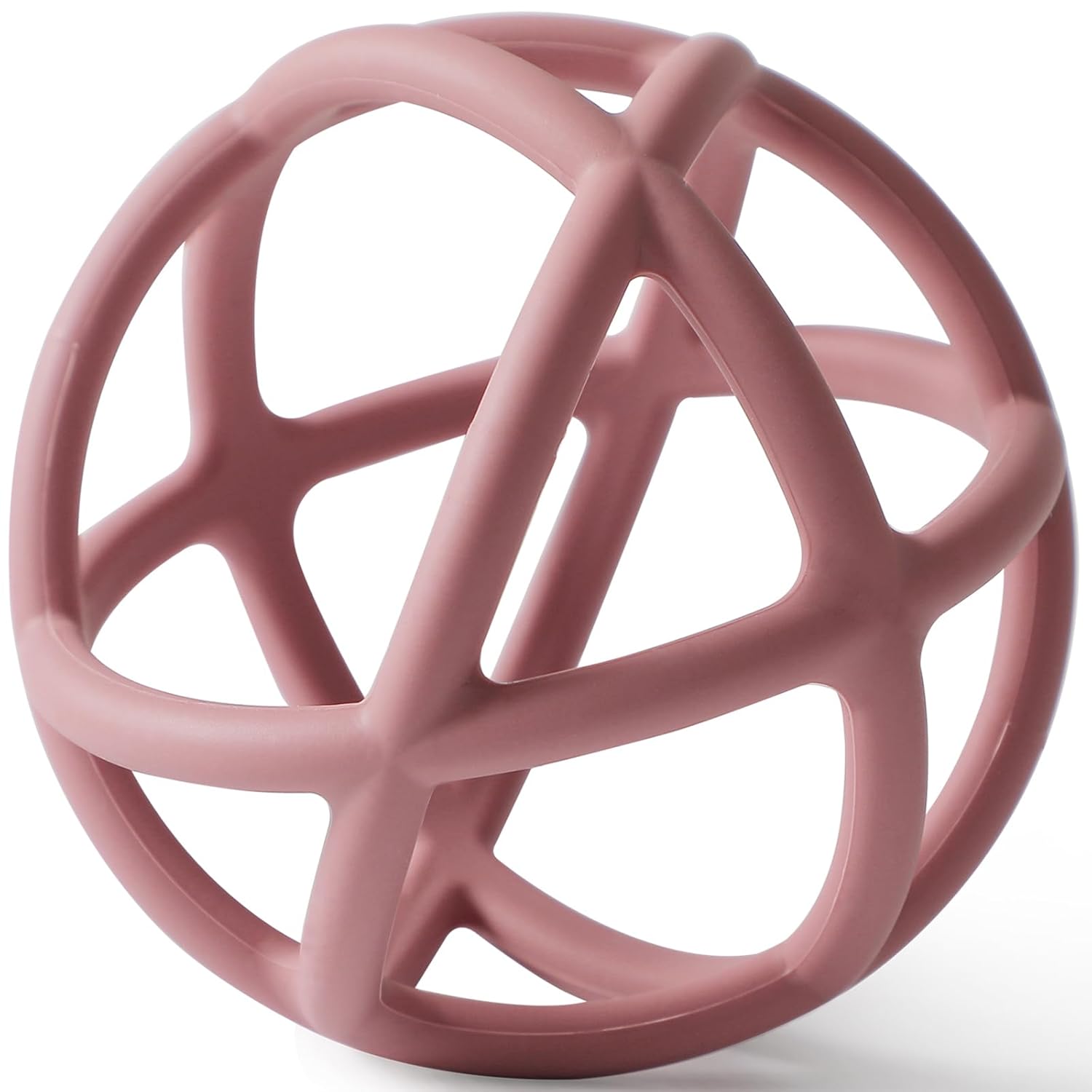
O-Ball or Grasping Ball
Easy-grip balls are great because tiny fingers can hold them without too much effort. I like toys like this because they support grabbing practice without frustrating the baby too much.
VIEW GRASPING BALLFeeding Changes ♡
Around this stage, I also noticed that feeding needs can change quickly. Babies grow, their appetite increases, and sometimes the bottle setup that worked in the early weeks starts to feel too slow or tiring.
For us, Philips Avent bottles have been part of our feeding journey from the beginning. As babies become stronger and more efficient feeders, moving to a faster-flow teat can sometimes make bottle feeding feel easier and less exhausting.
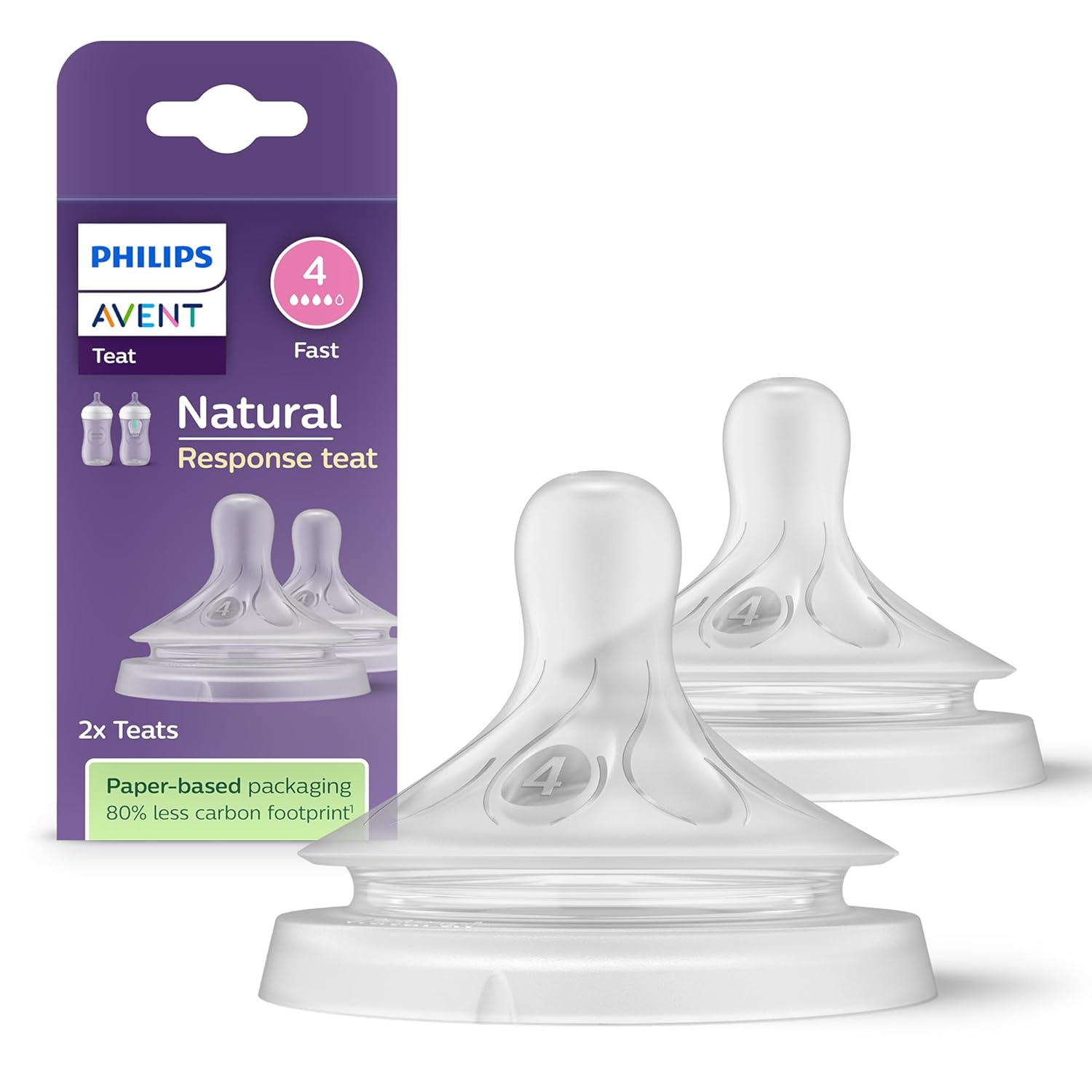
Philips Avent Faster Flow Bottle Teat
One thing I learned very quickly is that babies do not stay on the same feeding setup forever. As babies grow, their feeding needs and sucking strength can change significantly, which sometimes means their bottle teat may need to change too.
In our home, we have used Philips Avent bottles from the beginning. Looking back at our feeding journey, I noticed that slower-flow teats can eventually require more effort from babies as their appetite increases and they become more efficient feeders.
If your baby seems frustrated during feeds, takes a very long time to finish a bottle, or appears to be working hard for the milk, it may be worth exploring whether a teat size upgrade is appropriate for their age and development.
Around this stage, I started noticing my baby becoming much more eager during feeds and finishing bottles faster. Every baby is different, but it reminded me that feeding products sometimes need to grow alongside our babies too.
VIEW TEAT SIZE 4The 3 to 6 month stage felt so emotional for me because this was when my baby slowly started showing more personality. Her little smiles, curious eyes, hand chewing, head lifting, stronger appetite, and tiny attempts to grab things made everyday moments feel special. I would not recommend buying too many products at once. A few thoughtful toys, the right feeding setup, and simple daily interaction with your voice, face, and touch are more than enough to support early play and development.
You May Also Enjoy
More honest guides from pregnancy, postpartum, and baby essentials.
Pregnancy Essentials
The practical things I found helpful during pregnancy.
Hospital Bag Checklist
What to pack for birth, recovery, and those first hospital days.
My Gestational Diabetes Journey
A personal look at managing gestational diabetes during pregnancy.
My Short Cervix Journey
My experience with short cervix, worry, waiting, and hope.
Baby Must-Haves
The baby products that genuinely made everyday life easier during the first year.
Stroller, Bassinet & Car Seat
My guide to choosing the big-ticket baby items for everyday life.
Pregnancy Essentials
The practical things I found helpful during pregnancy.
Hospital Bag Checklist
What to pack for birth, recovery, and those first hospital days.
My Gestational Diabetes Journey
A personal look at managing gestational diabetes during pregnancy.
My Short Cervix Journey
My experience with short cervix, worry, waiting, and hope.
Baby Must-Haves
The baby products that genuinely made everyday life easier during the first year.
Stroller, Bassinet & Car Seat
My guide to choosing the big-ticket baby items for everyday life.